

Podcast Episode
Milan Vaishnav and Tanul Thakur discuss Tanul's new book "Wild Wild East: Exiled Americans, Enslaved Indians and the Systemic Abuse of the H-1B Visa Programme."
Milan Vaishnav, Tanul Thakur
In 2024, mass protests brought an abrupt end to Bangladesh Prime Minister Sheikh Hasina’s long tenure in power, opening the door to Bangladesh’s most consequential election in more than a decade. To talk about this new political era, Milan is joined on the show this week by Global Research Professor Naomi Hossain, with the Department of Development Studies at SOAS University of London.
For decades, Bangladesh has long oscillated between competitive democracy and dominant-party rule. In 2024, mass protests brought an abrupt end to Prime Minister Sheikh Hasina’s long tenure in power, opening the door to Bangladesh’s most consequential election in more than a decade—one that returned the Bangladesh Nationalist Party to power and reshaped the country’s political landscape.
With Hasina’s fall and a new government in office, the country once again stands at a crossroads—testing whether institutional reform and electoral competition can deliver lasting democratic stability.
To talk about the new political era in Bangladesh, Milan is joined on the show this week by Naomi Hossain. Naomi is Global Research Professor with the Department of Development Studies at SOAS University of London. She has researched extensively across Bangladesh and has managed large international studies spanning 20 countries in Asia, Africa, Latin America, and Europe. Naomi is the author of the acclaimed 2017 book, The Aid Lab: Understanding Bangladesh's Unexpected Success.
Naomi and Milan discuss the abrupt end to Hasina’s fifteen-year rule, the performance of the interim government under Muhammad Yunus, and the prospects for new prime minister Tarique Rahman. Plus, the two discuss the country’s immense economic challenges and the role of the military.
Episode notes:
Carnegie does not take institutional positions on public policy issues; the views represented herein are those of the author(s) and do not necessarily reflect the views of Carnegie, its staff, or its trustees.
Milan Vaishnav and Tanul Thakur discuss Tanul's new book "Wild Wild East: Exiled Americans, Enslaved Indians and the Systemic Abuse of the H-1B Visa Programme."

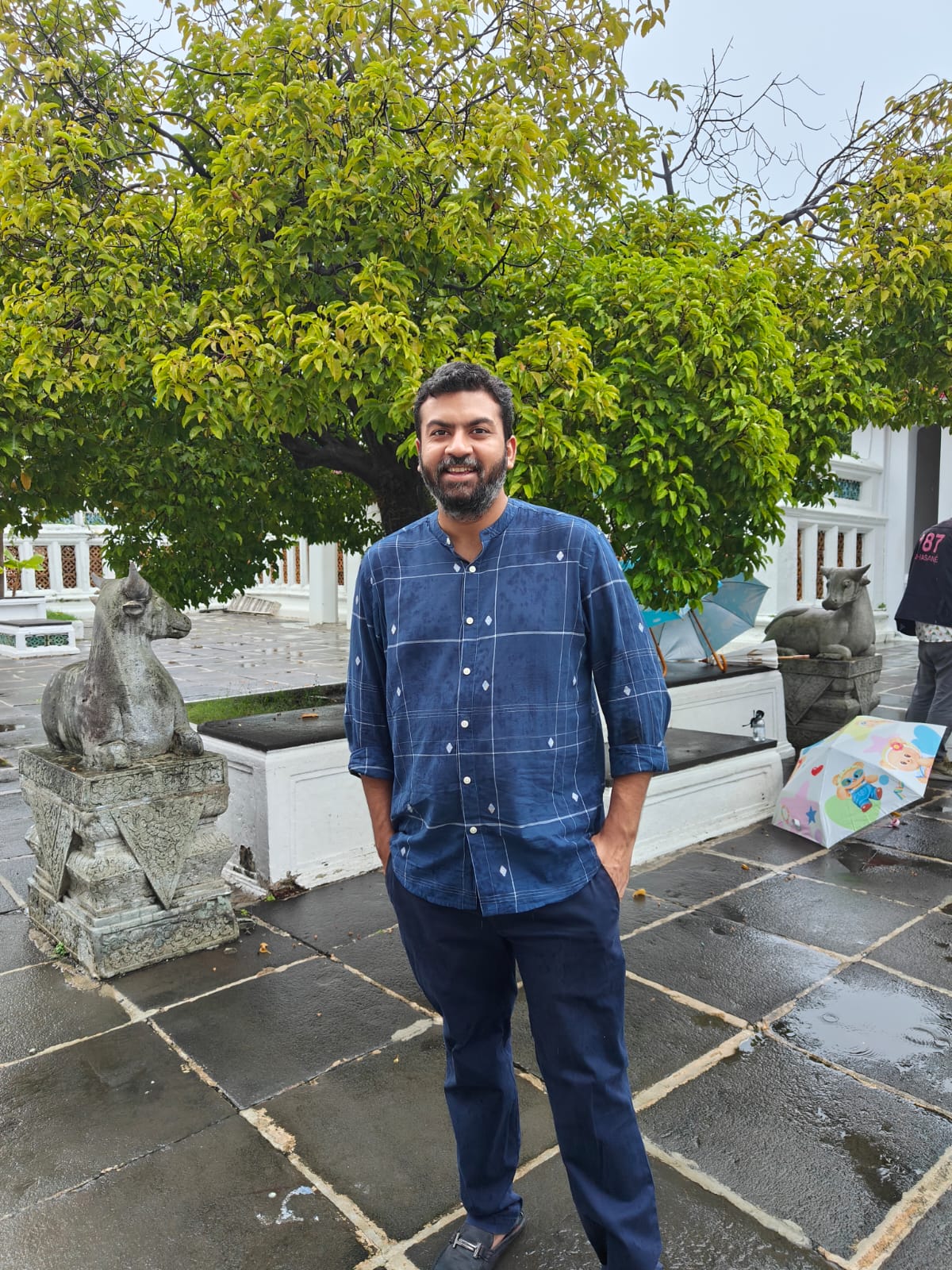
Milan Vaishnav, Tanul Thakur
Discussing their new short book, Indian Public Opinion toward the Major Powers, Paul Staniland, and Aidan Milliff join Milan Vaishnav to discuss the treasure trove of data on Indian public opinion they stumbled upon, the characteristics of India’s “foreign policy public,” and the variation in Indian attitudes toward the United States, China, and Russia/the Soviet Union. Plus, the discuss why a respondent’s region emerges as a strong predictor of one’s foreign policy views.


Milan Vaishnav, Paul Staniland, Aidan Milliff
Host Milan Vaishnav and Ambassador May-Elin Stener discuss the outcomes of the India-Nordic summit, the Trade and Economic Partnership Agreement (TEPA), and the green technology partnership Norway envisions with India.
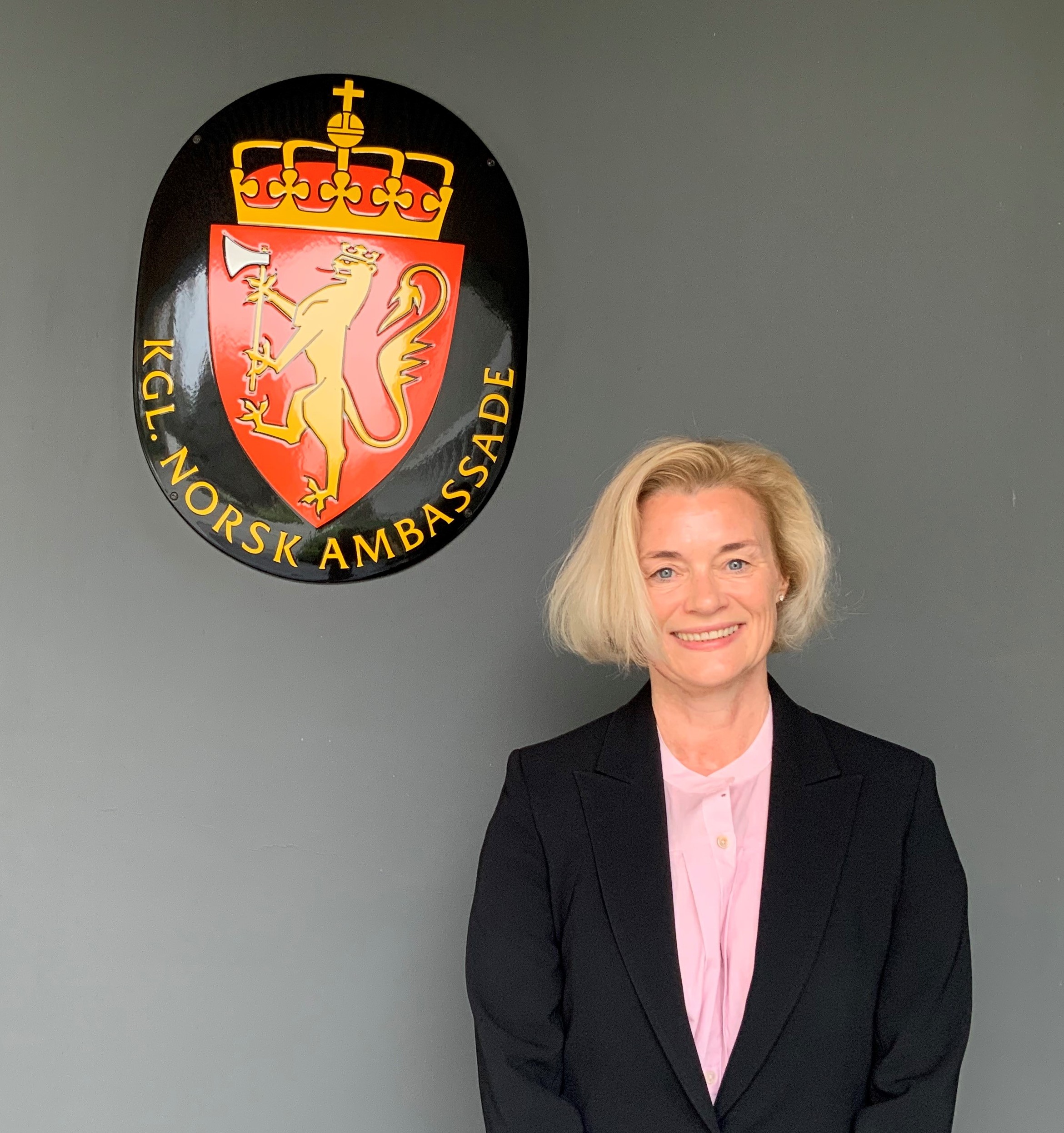
Milan Vaishnav, May-Elin Stener
Milan Vaishnav, Sadanand Dhume, and Tanvi Madan discuss whether India is becoming a “one-party state,” the current state of the opposition, and the headwinds facing the Indian economy. Plus, the three discuss Pakistan’s diplomatic moment, Trump’s recent China trip, and Marco Rubio’s visit to India.

Milan Vaishnav, Tanvi Madan, Sadanand Dhume
This week, Milan Vaishnav and Abhishek Anand discuss the controversy over India’s GDP estimates, important reforms within India’s statistics ministry, and the debate over the Reserve Bank of India’s policies to defend the rupee. Plus, the two discuss Abhishek’s work on power sector reform and the embrace of non-tariff barriers that stymie the spirit of India’s new bilateral trade agreements.
Milan Vaishnav, Abhishek Anand